Concentric Butterfly Valve
Reliable Soft Sealing for Water, HVAC & General Industrial Applications
Cost-Effective Design with Stable Quality and Long Service Life
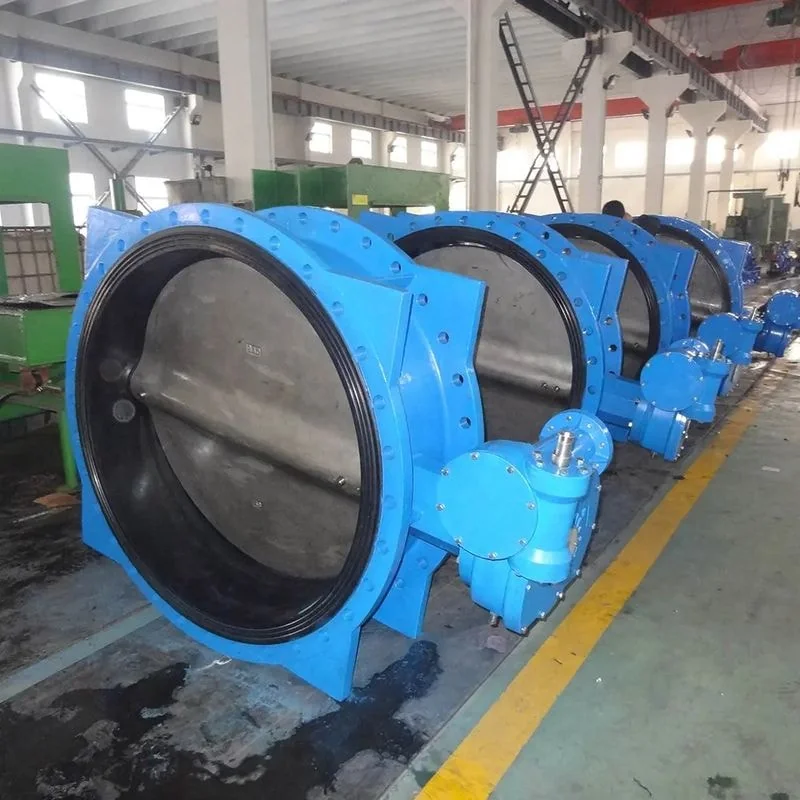
- Zero Leakage Soft Seat Design (EPDM / NBR / PTFE)
- Consistent Quality Across Every Batch
- Full Pressure Testing Before Shipment
- OEM & Custom Materials Available
Applications of Concentric Butterfly Valve
Designed for general-purpose flow control, concentric butterfly valves are widely used in systems where reliable sealing, corrosion resistance, and cost efficiency are critical.
Water Treatment Systems
Used in municipal water supply, wastewater treatment, and desalination systems for reliable shut-off and flow regulation.
Corrosion-resistant EPDM / PTFE seats for extended networks

HVAC Systems
Ideal for chilled water, cooling water, and air handling systems in commercial and industrial buildings.
Lightweight wafer design for frequent open/close cycles

Irrigation & Agricultural Systems
Used in large-scale irrigation networks for water distribution and flow control across farmland and greenhouses.
Low cost and simple maintenance for high-volume usage

Food & Beverage Industry
Applicable for non-contaminating media with food-grade rubber seats, smooth flow path for easy cleaning.
Optional FDA-compliant materials available

General Industrial Applications
Suitable for general fluid control in low to medium pressure systems handling water, air, and non-aggressive media.
Economical alternative to gate valves with versatile material options

Have a Different Application?
Tell us your media type, pipeline size, and pressure requirements. We'll recommend the right valve configuration for your system.
Talk to an EngineerCommon Issues That Only Show Up After Installation
Concentric butterfly valves are often selected for simplicity and cost advantage. But long-term performance depends heavily on material quality, manufacturing control, and batch-to-batch consistency.
How We Ensure Consistent Quality in Every Valve
From raw material selection to final pressure testing, each step is designed to eliminate common failure risks and maintain consistency across every batch.

Material Selection & Traceability
All raw materials are sourced according to defined standards and verified before production. Body and disc materials are checked against chemical composition requirements, while rubber compounds are selected based on temperature, media compatibility, and frequency of operation.
Each batch is recorded and traceable, linking every finished valve back to its material source. This ensures consistency not only within one order, but across repeat orders over time.
Rubber Seat Manufacturing Control
The performance of a concentric butterfly valve largely depends on the quality of the rubber seat. Seats are produced using controlled molding processes rather than manual fitting or bonding.
Rubber hardness, elasticity, and compression characteristics are monitored during production to maintain stable sealing performance. This prevents early cracking, deformation, or loss of sealing after repeated operation.


Machining Accuracy & Dimensional Control
All critical dimensions including flange drilling, face-to-face length, and shaft alignment are controlled according to international standards such as EN and API specifications.
Machining tolerances are strictly maintained to ensure proper fit during installation. This reduces the risk of misalignment, leakage at connection points, and on-site modification.
Assembly Process Standardization
Each component is installed following defined procedures to ensure uniform sealing compression and smooth operation. Particular attention is given to the alignment between disc, seat, and shaft to avoid uneven wear or excessive torque.
This controlled assembly process ensures every valve performs consistently, regardless of production batch or order size.


Pressure Testing & Final Inspection
Every valve undergoes pressure testing before shipment, including body strength testing and seat leakage testing to verify sealing performance under specified pressure conditions.
Testing results are recorded and provided upon request, ensuring each valve meets functional requirements before leaving the factory.
Documentation & Quality Records
Pressure test reports, material certificates, and inspection records are available to support project approvals and compliance requirements on international tenders.
Clear documentation also ensures traceability and simplifies future maintenance or replacement planning throughout the valve's service life.

By controlling each stage of production and inspection, we focus on delivering valves that perform reliably not only at installation, but throughout their entire service life.
Key Features
Engineered for reliability, low torque operation, and universal actuator compatibility
Low Operating Torque
Simple and compact structure with 90-degree turn for quick open/close operation.
Replaceable Valve Seat
Reliable bidirectional sealing performance with easy field replacement capability.
Better Flow Regulation
Flow characteristics tend to be straight, providing superior adjustment performance.
Self-Lubricating Bearings
PTFE, al-bronze or SS-lined PTFE bearings with low friction for easy operation.
ISO 5211 Top Flange
Compatible with manual, electric, or pneumatic actuators for universal mounting.
Dry Shaft Design
Multiple sealing design ensures shaft has no contact with service medium.
Blow-Out Proof Shaft
Stepped shaft design retained by a circlip prevents shaft blow-out under pressure.
Pinless Shaft-Disc Connection
Precisely processed connection eliminates linkage lag. Two-piece shaft (one-piece available) fully isolates shaft from medium.
Engineering Design Details
Precision-engineered components for maximum performance and longevity
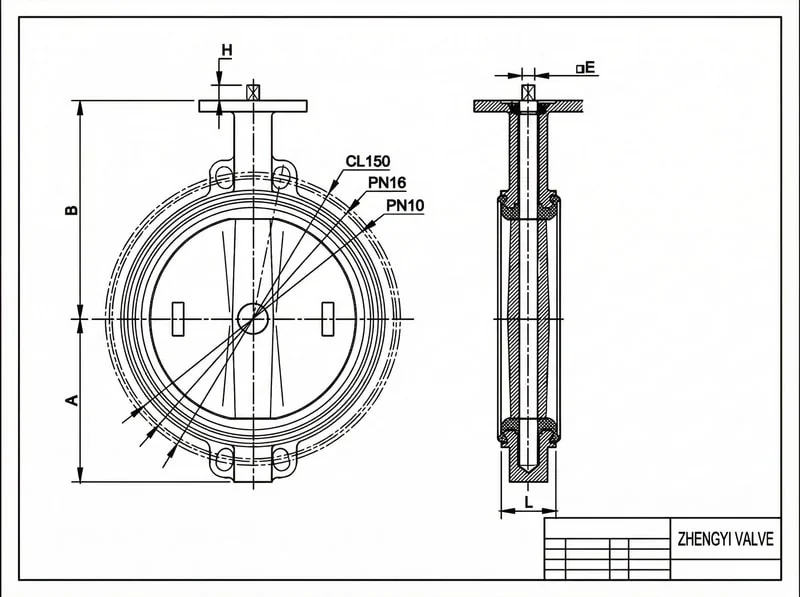
Spherical Disc Edge
The disc edge is processed with a spherical surface and polished to ensure the lowest possible operating torque. The streamlined disc profile maximizes flow performance while minimizing pressure drop across the valve.
For corrosive media applications, the isolated shaft design allows the use of standard shaft materials instead of expensive high anti-corrosive alloys, significantly reducing production cost without compromising performance.
Precision Valve Seat
Valve seat and body are positioned with single or double grooves, ensuring zero displacement and looseness during valve opening. The seat's outer surface features a circular arc design for accurate positioning and easy field replacement.
No flange gasket required during installation, simplifying the process and reducing maintenance overhead. The replaceable seat design means extended valve lifecycle with minimal downtime.
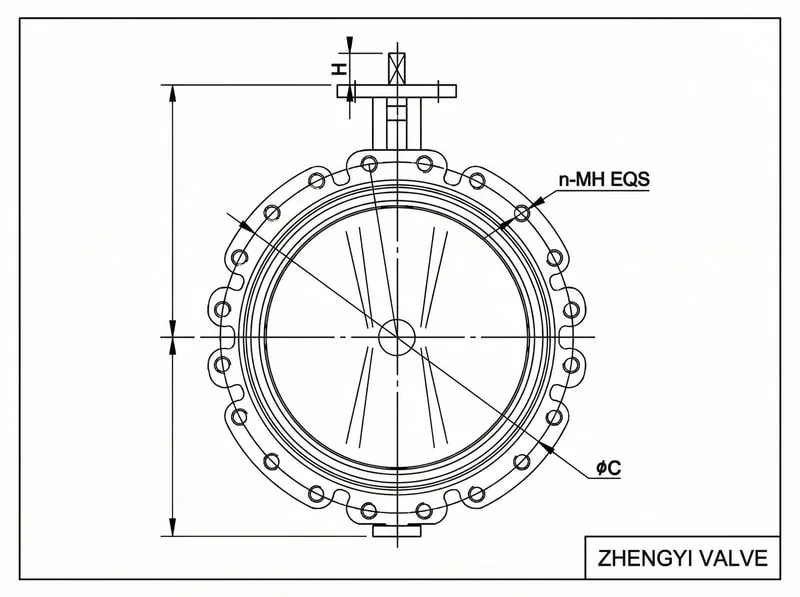
Operation Options
Choose the right actuation method for your application requirements
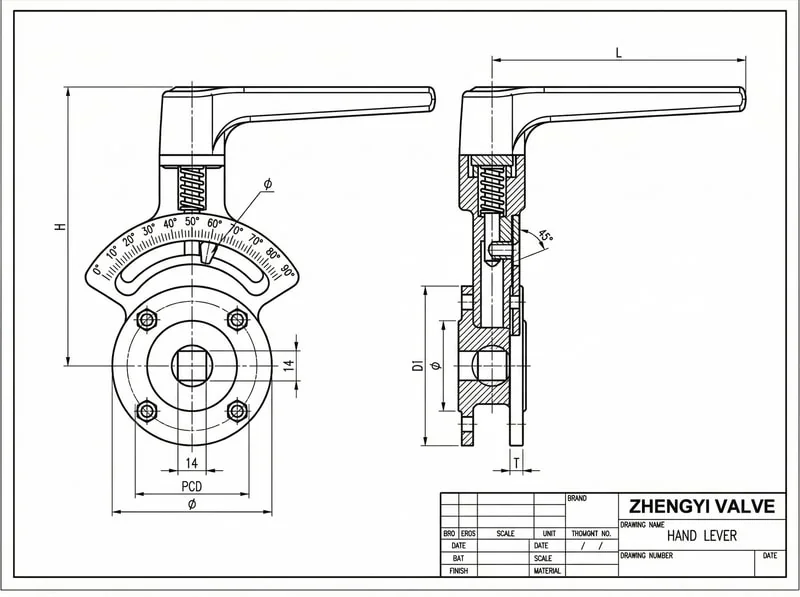
Hand Lever
Compact manual operation for smaller sizes. Quick 90-degree quarter-turn with lockable multi-position handle for throttling applications.
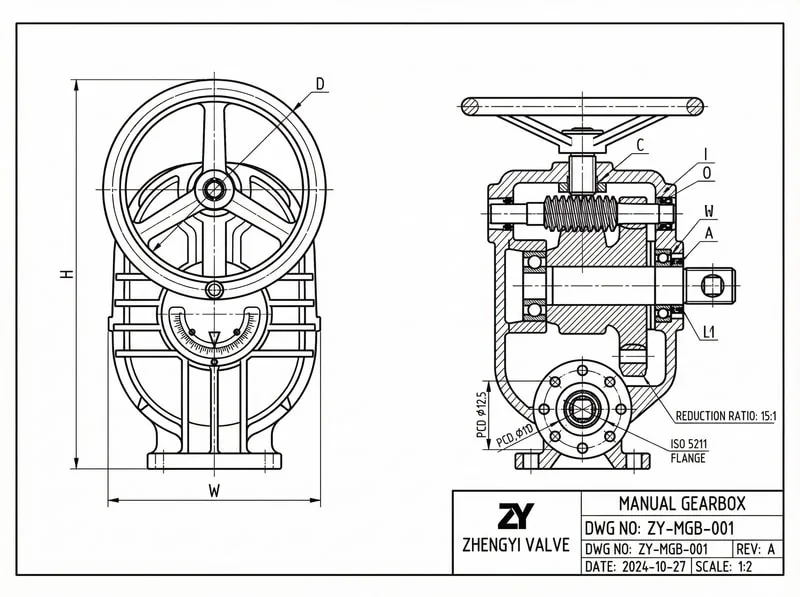
Manual Gearbox
Worm gear operator for larger sizes requiring torque multiplication. Self-locking mechanism holds valve in any position without creep.
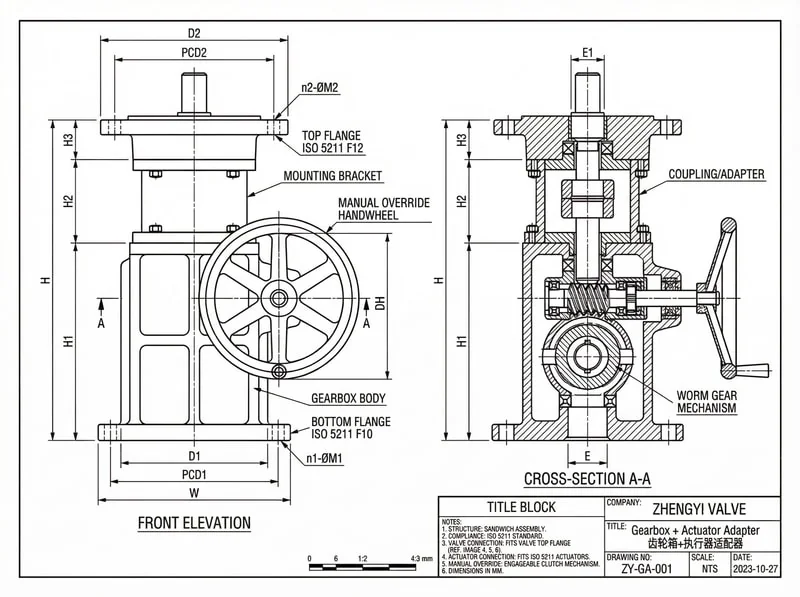
Gearbox + Actuator Adapter
ISO 5211 adapter allows future upgrade to electric or pneumatic actuators without valve replacement. Maximum flexibility for automation.
Technical Specifications
Standards-compliant design with full traceability and 100% factory testing
| Parameter | Specification |
|---|---|
| Valve Type | Concentric (Centric) Butterfly Valve |
| Operation | Hand Lever / Manual Gearbox / Gearbox with Actuator Adapter |
| Top Flange | ISO 5211 (compatible with manual, electric, pneumatic actuators) |
| Bearing Material | Self-lubricating PTFE / Al-bronze / Stainless steel lined PTFE |
| Shaft Design | Pinless two-piece shaft (one-piece available on request), blow-out proof with circlip |
| Coating | Epoxy / Rylsan coating, total average thickness 300 micron |
| Pressure Test Standard | EN 12266-1 / API 598 |
| Leakage Rate | Class A (Zero Leakage) in both directions Zero Leakage |
| Testing | 100% factory testing before delivery |
Need a Custom Configuration?
We manufacture butterfly valves in custom sizes, materials, coatings, and actuation packages. Tell us your requirements and get a factory-direct quote within 24 hours.
Frequently Asked Questions
Technical and commercial questions commonly asked about concentric butterfly valves, covering material selection, quality control, and customization options.
Request a Quote
Share your project specifications and our engineering team will respond with a detailed valve proposal within 24 hours.
Response within 24 hours
Free valve selection and engineering support
OEM and custom material configurations available
Test reports and material certificates provided with every order
Send Your Inquiry
Inquiry Submitted!
Thank you. Our team will review your requirements and respond within 24 hours.
Submission Failed
Please try again or contact us directly via WhatsApp.